
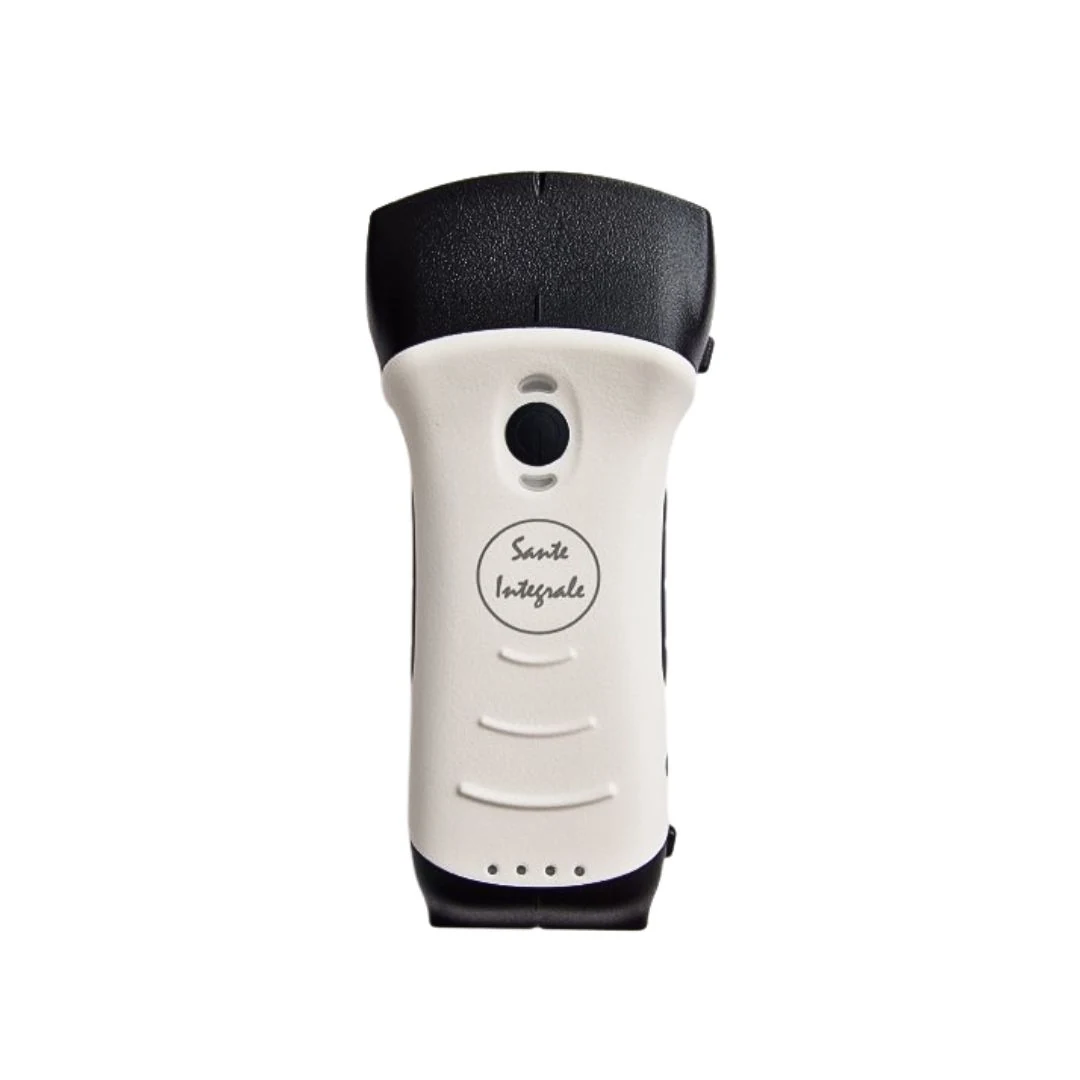
Mobility, quick start and universality have become important requirements for equipment for ultrasound diagnostics near the patient. The 3-in-1 wireless sensor combines several scanning surfaces in one case and transmits images to a compatible smartphone, tablet or computer.
This solution can be convenient for primary care, intensive care, emergency care and field examinations. At the same time, POCUS is a specialized study: its capabilities depend on the preparation of the doctor, clinical protocol and the specific configuration of the device.
How the 3-in-1 principle works
The combined design allows you to use one device for different depths and clinical windows:
- Convex mode are used for deeper structures, including abdominal organs, kidneys and small pelvis.
- Linear mode suitable for vessels, thyroid gland, soft tissues, joints and ultrasound navigation during procedures.
- Phased-array mode is used for cardiological windows and a concentrated assessment of the heart and lungs.
The sensor creates its own wireless connection with a compatible device. Supported operating systems, frequencies, modes and licenses need to be checked for a specific modification before ordering.
Clinical scenarios of application
Emergency care and intensive care
Universal sensor can be used for fixed protocols such as FAST/eFAST, ultrasonography of lungs and basic assessment of cardiological windows. The result is always interpreted together with clinical picture and other methods of examination.
Primary care and family medicine
One device allows you to perform a systematic assessment of the bladder, kidneys, gallbladder, surface structures and vessels. A reasonable set of studies is determined by the competence of the doctor and local protocols.
Anesthesiology and vascular access
Linear scanning surface helps to visualize surface vessels and control the position of the needle. This application requires separate training, compliance with aseptics and approved procedures.
Practical benefits for the doctor and clinic
- Compact format. The device is easy to transport between the offices and use on-site.
- Several clinical directions. One body reduces the need to wear separate linear, convex and phased sensors.
- Mobile workflow. Setting, measuring, saving frames and cine-loops are performed in the application.
- Protection and processing. The degree of protection of the body and the means of disinfection are confirmed by the passport of a specific modification; the IP class does not replace the manufacturer's instructions.
How to evaluate the economic feasibility
It is not enough to compare the 3-in-1 sensor with the stationary system only at a price. For a real assessment, it is worth taking into account the clinical load, the number of users, training, compatible mobile devices, licenses, warranty and service.
The greatest value of a universal format can be given where one specialist or mobile team regularly works with several types of research. If one specialized task prevails, a separate sensor can be more profitable in terms of ergonomics or quality of visualization.
- Make a list of research and the necessary clinical presets.
- Check compatibility with existing smartphones, tablets or PCs.
- Check the modes, frequencies, autonomy, processing and configuration of the selected modification.
- Check out the typical scenarios for your practice.
- Compare the full cost of ownership, including training and service.
Practical conclusions
Sante Integrale 3-in-1 is a universal mobile tool for POCUS, which combines linear, convex and phased scanning. Its relevance is determined not by the number of declared functions, but by the compliance of specific clinical tasks, team preparation and the conditions of daily work.
Interested in Sante Integrale 3v1 Max 192?
The model is available to order. EchoMedica will help to check the modes, conditions and conditions of delivery with your clinical tasks.
Request a consultation